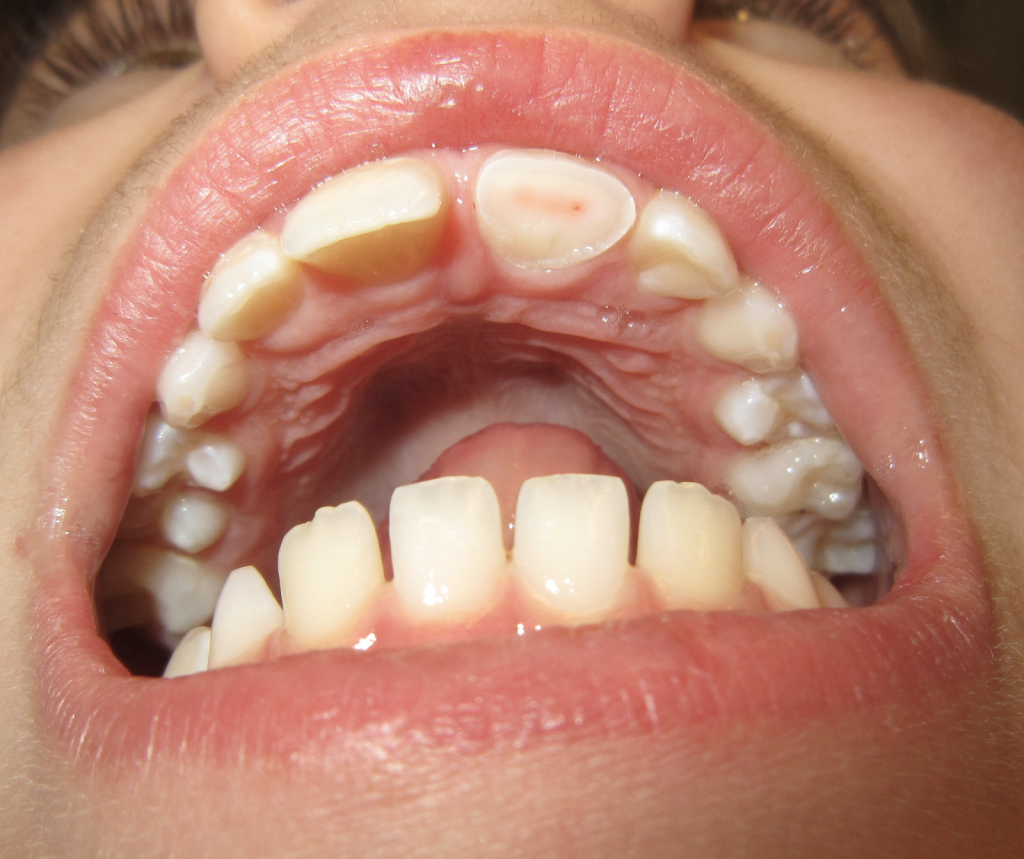
A tooth broken in half, often called a fractured tooth, is one of the most common dental emergencies. It often occurs during fall injuries, sports activities, and physical violence. However, it can also be caused by extensive caries, large restorations on weakened teeth (i.e. an endodontically treated tooth), and parafunctional habits like bruxism.
Depending on the intensity of impact, tooth fracture could be superficial or serious. Superficial fractures like microcracks and uncomplicated crown fractures are confined in the enamel only. Serious fractures may involve the enamel, dentin, cementum, and pulp.
What happens if my tooth breaks in half?
A tooth broken in half is something that should be taken seriously. The patient may experience the following:
Pain and sensitivity– This is common in traumatic dental injuries. The tooth contains nerves and blood vessels inside. When your tooth breaks in half, these nerves and blood vessels will be exposed and will cause pain. In addition to that, the ingress of bacteria from the oral cavity will cause inflammation of the pulp.
Abscess or infection- If the inflammation goes untreated for a long time, this might lead to a bigger problem like an oral abscess.
Bleeding- If the cause is trauma, the blood will not only come from the broken tooth but also from the damaged surrounding oral structures. It is important to control the bleeding and immediately go to your dentist for treatment.
Impaired oral functions- The patient may find it difficult to chew or bite because the tooth is very sensitive and painful. In addition to this, the tooth could also be mobile which would make function difficult for the patient.
Further trauma to other structures– The jagged edges of the damaged tooth can cause further soft tissue trauma to the surrounding oral structures such as the lips, tongue, and cheek.
Self-esteem issues- Broken anterior teeth can also cause self-esteem issues, especially for self-conscious patients.
Can a half-broken tooth be repaired?
Most of the time teeth that are broken in half, especially if the crack split the tooth into two vertical halves, are often irreparable. However, the answer as to which tooth can be repaired will heavily rely on the actual case and the condition of the tooth.
Routine Restoration
Small cracks and fractures that only involve the enamel can be bonded or filled by a composite filling material. If the crack or fracture involves the dentin, the dentist can cover the sensitive dentin and then restore or reattach the fractured part.
Treatment can become complicated if the pulp is involved already like in the case of a complicated crown-root fracture. Your dentist can do a root canal treatment on the damaged tooth depending on its restorability.
Crown-Lengthening
If your tooth broke off below the gum line, your dentist might recommend a crown lengthening procedure before the root canal treatment. After the root canal procedure, your dentist might suggest restoring your tooth broken in half with either a dental crown or a post-core crown.
Endodontic Treatment
In the case of pediatric patients with immature teeth (teeth that have not completed root formation), your dentist might do a partial root canal to save the pulp. But if the pulp is non-vital already, then your dentist might suggest a root canal and then do a process called apexification.
Should a half-broken tooth be removed?
There are cases in which your dentist will recommend the extraction of your tooth. If your tooth is non-restorable, then your dentist will not suggest that you proceed with a root canal treatment. Your root canal treatment will fail if your tooth doesn’t have enough structure to receive a filling or a crown.
In the case of a split tooth in which a tooth is broken in half vertically up until the root area, your dentist might recommend extraction already. This is very difficult to manage and the prognosis for this type of fracture is poor compared to crown fractures that do not involve the pulp.
The prognosis or treatment outcome really depends on the type of injury, the delay of treatment, and the quality of treatment given to the patient. So it is important that you set up an appointment with your dentist immediately so they can evaluate which treatment option is best for your unique situation.
What will the dentist do if half my tooth is broken?
For traumatic injuries, the dentist will take a thorough clinical and radiographic examination of the injury. Depending on the type of trauma and the depth of injury, your dentist will make a comprehensive treatment plan for the patient. As mentioned earlier, uncomplicated cases can be managed using bonding, fillings, or crowns. Complicated cases might necessitate root canal treatment and frequent follow-ups.
Diagnostic procedures for broken teeth
For carious teeth, the dentist will do a clinical and radiographic exam. A pulp vitality test will be done to determine if the tooth is vital or necrosed already. The dentist might also do a transillumination test, bite test, and periodontal assessment. This will help determine how deep the crack is, which structures are already affected, and if the tooth is restorable or not.
Treatment if tooth was broken in half
Your dentist will then decide which treatment is appropriate for your condition. If your tooth is restorable, your dentist will recommend root canal treatment followed by a filling or a crown restoration. If the crack is quite below the gum line, your dentist might recommend a crown lengthening procedure in which part of your gums will be removed to facilitate crown restoration. All of these procedures will be done under local anesthesia to prevent unnecessary pain and anxiety in the patient.
If your tooth might get need to be extracted, your dentist must discuss which post-extraction restoration will be placed in the edentulous area. Your options might include a dental implant which requires surgery. There are also dentures in which you have two options; fixed or removable.
You must discuss all of the possible treatment options with your dentist before you proceed with any treatment.
Tooth Be Told
A broken tooth can be repaired depending on the damage. A hopeless case will most likely require extraction. You must consult your dentist immediately to assess the tooth and come up with the best treatment option for you.
Disclaimer: This article only explains what you can do during emergencies that involve luxation or avulsion of teeth. For emergency cases involving head traumas, we highly recommend you consult a medical doctor immediately.
Key Takeaway:
You can do the following steps if your tooth fell out, based on IADT:
Retrieve the avulsed tooth by holding it on the crown
Rinse it with milk, HBSS (Hank’s Balanced Salt Solution), NSS (Normal Saline Solution), or clean water
Once free from any debris and if the patient is conscious, put the tooth back into the socket
Bite on a gauze or a clean handkerchief to hold it in place
Go to the dentist immediately.
Accidents happen when we least expect them, and sometimes they can result in the loss of a tooth.
Whether it’s yourself, a family member, or even a stranger who experiences this unfortunate situation, knowing what steps to take can make a significant difference in saving the tooth and ensuring proper dental care.
Imagine your child suddenly being hit by a baseball bat, and their tooth falls out. In this article, we will provide you with valuable guidance and advice on what to do if a tooth is lost due to an accident.
By understanding the immediate actions to take and seeking prompt dental attention, you can increase the chances of successful tooth reattachment and minimize any potential long-term complications.
Can you save a tooth that fell out?
Yes, a tooth that has fallen out of the socket can be saved, but it depends on different factors. If you are not a dentist or a dental care provider, you will not be able to tell if a tooth is salvageable or not.
The tricky part about teeth is they may look okay, they may look intact, but they can have fractures that are hard to see or diagnose.
But, what you can do to increase the chances of maintaining the vitality of your tooth is to pick it up in a way that you are holding the crown part, clean it with saline solution or clean water, and store it in milk, saline solution, or put it inside your cheeks.
In that way, you can maintain the viability of the fibers and the cells surrounding the root of your teeth, which would eventually act as a bridge when your dentist puts it back in the socket.
It is also encouraged that the witness of the accident, or the patient himself or herself (if he or she is conscious), to replant the avulsed tooth from the socket after it is cleaned.
Is it safe to put a tooth back if it fell out?
Yes, it is safe to put a tooth back in the socket if it fell out, once it has been rinsed out of any debris.
Although the reluctance of the witness, guardian, or the patient himself or herself is understandable, it is still best to replant the tooth in the socket to minimize the dry time and to ensure that the periodontal ligament cells remain viable.
Periodontal ligament cells that surround the root portion of the tooth serve as the velcro that holds the tooth in position. It is very important that the tooth will be put back in the socket after it was rinsed because once these cells dry out, the chances of the tooth being placed back in the socket permanently are significantly lower.
In any case, it is essential to seek immediate dental attention if a tooth is knocked out. Although according to studies, replantation usually is the treatment of choice, the dentist will be able to determine the best course of action and increase the chances of actually saving the tooth.
Can a dentist save a tooth that fell out?
A dentist may or may not be able to save your fallen tooth, but one thing’s for sure, they know what to do in emergency cases like this.
If you were able to follow the instructions above and you were able to go to a nearby dental clinic within a span of less than 30 minutes, chances are, your teeth can still be replanted and could still survive.
Of course, there will be damage on the pulp itself so you would have to undergo a root canal treatment after 2 weeks of replanting the tooth and using a splint to hold it together, but you can still have your tooth back in your mouth and you would not have to live your life with a missing tooth (especially if the avulsed tooth is a front tooth).
However, if you are unable to go to a nearby clinic to replant the tooth, you might face the sad reality of losing your tooth. Your dental practitioner might address this concern by installing a fixed or removable partial denture to restore your smile.
There are a ton of options that your dentist can do when your tooth falls off, but you have to make sure that you seek their help as soon as possible.
Tooth Be Told
Accidents happen on a daily basis, and an avulsed tooth (or the tooth that fell off from the socket) makes up 0.5% to 16% of all dental injuries. The prognosis of this condition depends on the duration of the tooth outside the socket, or how bad the injury is. However, if you follow the steps above on how to save the tooth that has fallen off of your mouth, you can still have your smile back.
Loose dentures can be frustrating for denture wearers. Dentures are designed to fit properly to be stable and retentive, restoring oral functions like chewing and speaking, and preserving and protecting oral structures like the gums and the underlying bone.
Loose dentures could lead to impaired oral functions and more serious consequences if not addressed promptly. In this article, we will discuss the causes of loose dentures, potential methods for preventing them, and effective solutions for addressing the issue of loose dentures.
What causes dentures to get loose?
So what causes dentures to get loose? Various factors cause loose dentures. Here are some reasons why:
Bone resorption
The residual ridge is the bony ridge that remains after tooth extraction. When teeth are extracted, the bone underneath the gingiva undergoes gradual processes called resorption and remodeling. As your bone shrinks, stability and support get compromised, resulting in loose dentures.
Pathologic soft tissue conditions
Conditions like epulis fissuratum and flabby ridges can cause loose dentures.
Dry mouth
A dry mouth can cause loose dentures. According to Mendez et al, saliva is needed for retention because it creates helps create cohesion, adhesion and tension between the denture and mouth.
Poor denture quality
Overextended denture borders can cause loose dentures. Metal clasps that are made poorly can be deformed easily and can also result in loose dentures.
Normal denture wear
Your denture is made of acrylic that wears over time. This is a normal process and to be expected especially if your dentures are more than 5 years old already.
Improper denture care
The use of improper cleaning tools to clean your dentures can affect the acrylic and result in loose dentures.
Parafunctional habits
Abnormal habits like teeth grinding can result in the deformation of your dentures.
What to do if your dentures are too loose?
You can use any brand of commercially available denture adhesives. But this is not a long-term solution for loose dentures.
Your dentist can give you options for a reline or rebase depending on the situation. Extreme denture looseness can be solved by implant-supported dentures but it is best to seek advice from your dentist first.
Is it normal for dentures to be loose?
As mentioned above, there are a lot of factors that contribute to why dentures become loose. Dentures can feel loose or ill-fitting over time as changes in the oral cavity occur. Pathologic conditions like dry mouth can affect the retention of complete dentures.
A new denture wearer might feel that their dentures are loose especially if they have not adjusted to it yet. While some degree of looseness is normal, it is still best to seek advice from your dentist so that they can assess the best course of action for your case.
How can I make my dentures fit tighter?
There are different ways that you can make your dentures fit tighter. Here are some of those:
Regular dental checkups – It is recommended to visit your dentist twice a year for dental checkups. Your dentist can assess the condition of your residual ridges and surrounding oral tissues and judge whether you need a new denture or not.
Denture adhesives – As mentioned above denture adhesives can help but only to a point. If your denture is too loose, it is better to consult a dentist.
Denture readjustment – If your dentures have metal clasps, you can have your dentist readjust them. Your complete dentures can be relined or rebased depending on how loose they are.
Avoid using toothbrushes and toothpaste to clean your dentures – Your toothbrush and toothpaste are too abrasive for the acrylic in dentures. They will make your dentures wear out quickly and that can result in loose dentures. There are proper cleaning materials for dentures that are available in the market.
Change your diet – It is best to eat softer foods to make chewing easier and not put too much work on your dentures. If you are going to eat meat, it’s better to shred or make them into smaller pieces before you chew them. Avoid sticky foods, nuts, and any hard foods.
Stay Hydrated – Drinking enough water can prevent dry mouth and improve saliva production which helps in denture retention.
New dentures are loose
New dentures can feel loose and uncomfortable especially if it’s your first time wearing one. Eating and speaking might be a little uncomfortable for a while and you might get anxious and frustrated. But patience and constant practice are the keys to getting acclimatized quickly to your denture.
If your upper denture is loose, try sucking on them. This will help the denture stick on your arch. A dry mouth can increase the feeling of loose dentures. If this happens, try drinking more water to increase saliva production.
If problems occur during your adjustment phase, you can call your dentist immediately to schedule an appointment.
How to fix loose lower dentures
A flat lower arch can cause loose lower dentures. It can be very difficult to manage in terms of stability, retention, and support because there’s not enough bone to secure your denture in place and thus your denture will be quite loose.
This can be fixed by either relining or rebasing. Relining involves filling up the tissue side of your denture with new acrylic material so that your denture fits again. Rebasing involves replacing the whole denture base while retaining the denture teeth.
Your dentist might recommend implant-supported dentures to solve this problem. Implants are pieces of metal that they surgically place in your jawbone to serve as support for your denture. This can be quite expensive and not all patients qualify for this procedure so it’s better to ask your dentist about it.
Conclusion
Loose dentures can be quite challenging to manage. There are different factors that cause denture looseness and treatment is unique for every individual. There are short-term and long-term solutions for loose dentures. In case of extreme looseness, implant-supported dentures might be necessary. It is important to go to your dentist so that they can assess the problem and recommend a solution that is tailored just to your situation.
References
Méndez JE, Madrid CC, Tirado LR. Saliva and alternative adhesive systems for complete dentures. Rev Fac Odontol Univ Antioq 2013; 25(1): 208-218.
Kiesow, A., Sarembe, S., Pizzey, R. L., Axe, A., & Bradshaw, D. J. (2016). Material compatibility and antimicrobial activity of consumer products commonly used to clean dentures. Journal of Prosthetic Dentistry, 115(2), 189-198.e8. https://doi.org/10.1016/j.prosdent.2015.08.010
McCord, J., Grant, A. Identification of complete denture problems: a summary. Br Dent J 189, 128–134 (2000). https://doi.org/10.1038/sj.bdj.4800703
Dziedzic, A., & Puryer, J. (2019). Complete dentures – assessment of the loose denture. Dental Update, 46(8), 760–767. doi:10.12968/denu.2019.46.8.760
Bad breath or oral halitosis is the third most common complaint patients report when they visit the dentist. This condition is usually caused by the increased number of microorganisms that produce volatile sulfur compounds, desquamated cells on the surface of the tongue, the presence of dental caries, periodontal disease, dental cavity, tonsilloliths, the patient’s diet, his or her social habits (smoking, drinking alcohol) or other underlying medical conditions that the patient has.
Patients having bad breath or complaining to have one can also suffer from a lack of confidence and public humiliation. Aside from these psychological effects, having this condition can also signify an underlying medical or dental condition that the patient might be suffering from that should be addressed immediately.
Diagnosis
In 2019, Kapoor et. al. published a systematic way of diagnosing halitosis as seen in the image below:
A patient who comes into the clinic with a chief complaint of halitosis would undergo a thorough medical history, dental history, social history, and halitosis history interview. This is done to rule out transient or physiological halitosis (morning breath) that normally occurs in all human beings.
Once this step is done, the patient would then go through Breath Sampling through an Organoleptic Test in a clinical setting where patients would exhale or count from 1 to 10 while the dental care provider examines the air 10 cm away from the patient’s mouth. Clinicians could also ask the patient to exhale through a brown paper bag and examine the air from the bag or they could also conduct the wrist lick test. If the patient does have bad breath, he or she would go through an oral screening or a dental examination to verify that there are no intraoral pathologies causing their bad breath. If there are intraoral pathologies present, then the patient would be referred to a dental health care provider that would render the best service to treat his or her condition.
However, if the patient has halitosis but has no intraoral pathologies present, he or she would have to go through ENT and Gastroenterologist to rule out respiratory tract infections or infections in the patient’s gastrointestinal organs. If there are still no systemic diseases from those organs that would cause oral halitosis, further laboratory examinations would be conducted.
If halitosis is not present, the patient would have to go through advanced diagnostic
tests like Gas chromatography or the BANA test. If the results still came out negative, the dental practitioner should consider delusional halitosis.
How can I permanently get rid of bad breath?
As a patient, one should understand that like any other oral disease, oral halitosis is a multi-factorial disease as well. There are many factors that may cause this, and, more often that not, the presence of one factor could amplify the effect of the other. Hence, the patient should consider doing the following:
Lifestyle change
If you smoke, you eat whatever you like, or are always stressed, there is a high chance that you would actually have bad breath.
Smoking is one of the common causes of bad breath. The chemicals present in tobacco products can leave a lingering odor in your mouth and throat. In addition, smoking can also dry out your mouth, reducing saliva production, which plays a crucial role in neutralizing bacteria and keeping your breath fresh.
Diet can also impact your breath. Certain foods with strong odors like onions, garlic, and spicy foods can temporarily cause bad breath. When you consume these foods, the odor-causing compounds are absorbed into your bloodstream and carried to your lungs, resulting in temporary bad breath. Additionally, eating a diet high in sugar and processed foods can contribute to the growth of bacteria in your mouth, leading to bad breath over time.
Stress can indirectly affect your breath as well. When you’re stressed, you may breathe through your mouth more frequently, which can cause dry mouth. As mentioned earlier, a lack of saliva can lead to bad breath because saliva helps cleanse the mouth by washing away bacteria and food particles.
Improve oral habits
You may have the money to pay for the best dentist that you can find, or have a full-mouth rehabilitation, but if you still don’t brush your teeth properly at least three times a day, if you still don’t floss, or if you don’t use the mouth rinse that your dentist prescribed for you, your bad breath will persist.
For proper toothbrushing and flossing instructions, you can watch this video:
Use of Mouth Rinse
Although there are no actual scientific studies that prove that diet change could, without a doubt, get rid of bad breath, there are studies though, that concretizes the claims that the use of antibacterial mouth rinses could stop the production of volatile sulfur compounds (VSCs).
In addition to this, it is also proven by a Cochrane systematic review that mouth rinses that contain Chlorine dioxide and Zinc can neutralize VSCs that cause halitosis.
Another substance that could help with halitosis is Triclosan. In the study of Hu, et. al, by using toothpaste with Triclosan or tongue scrapers that are impregnated with Triclosan, organoleptic scores, and oral sulfur levels are significantly reduced.
Go to the dentist
Going to the dentist might be too expensive, or even scary, but having your mouth checked by an actual expert can drastically improve your condition. If you’re concerned about persistent bad breath, it’s a good idea to consult a dentist or healthcare professional. They can assess your oral health, identify any underlying issues, and provide appropriate guidance and treatment.
Does drinking water help breath smell?
Yes, drinking water can help improve the smell of your breath. Bear in mind that xerostomia or dry mouth, are one of the many causes of bad breath. When you’re dehydrated, your mouth tends to produce less saliva. Saliva plays an important role in maintaining oral health as it helps wash away food particles, bacteria, and dead cells in your mouth. This helps reduce the chances of bad breath.
Drinking water helps keep your mouth moist and encourages saliva production. By staying hydrated, you promote a healthier environment in your mouth and reduce the risk of dry mouth, which can contribute to bad breath.
In addition to keeping your mouth moist, drinking water can also help rinse away food particles and bacteria that may be present in your mouth. Swishing water around in your mouth after meals can help dislodge any lingering debris and dilute the concentration of odor-causing substances.
Tooth Be Told
Bad breath does go away, but if halitosis is caused by a bigger underlying problem, you should definitely consult a dentist or a dental hygienist to help you out.
You can stop bleeding gums after quitting smoking by getting a deep cleaning from your dentist, improving your oral hygiene, swishing antibacterial mouthwash and using other adjuncts to augment self-performed mechanical plaque removal, living a healthier lifestyle, and taking vitamins to promote the healing of your inflamed gums.
Blood is a universal cause of panic, especially when it comes right out of our mouths. Even if we don’t feel any pain and only see blood when we brush our teeth, many consider this phenomenon alarming. If you have observed recently that your gums are bleeding excessively after quitting smoking, and you need to know more about this condition, this article would be your best guide.
How long after stopping smoking do gums stop bleeding?
Bleeding gums is a sign of gum disease, specifically gingivitis or periodontitis, which is often exacerbated by smoking. When you quit smoking, your body’s healing process begins to improve, including your oral health. Generally, the time it takes for gums to stop bleeding after quitting smoking can vary based on individual health factors and the severity of any pre-existing gum disease.
Given that you have quit smoking, you’ve been brushing thrice a day using a soft-bristled toothbrush, and you’re visiting your dentist at least twice a year, here are the changes that you can expect in your gums:
Immediate Changes: Within a few days of quitting, the blood flow to your gums and oral tissues improves.
Short-term Changes (1-2 weeks): Inflammation may begin to decrease, and the immune response can start to normalize, leading to less bleeding.
Long-term Changes (1-3 months): Gums can continue to heal, and bleeding should significantly reduce or stop altogether if proper oral hygiene is maintained.
Regular dental cleanings, good oral hygiene practices, and possibly professional treatments may be necessary for optimal recovery. If gum bleeding persists, it’s important to consult a dentist, as this may indicate underlying issues that need professional attention.
When do gums go back to normal after quitting smoking?
According to previous studies, gums go back to normal 11 years after quitting smoking. Moreover, research done by Tomar and Asma in 2000 has proven that the likelihood or probability of having periodontitis for those who have quit smoking for over 11 years is almost the same as for non-smokers.
It’s essential to maintain regular dental check-ups and cleanings, practice good oral hygiene (brushing twice a day, flossing daily), and follow any additional recommendations from your dentist or dental hygienist.
If you notice any persistent issues with your gums, such as continued bleeding or inflammation, it’s important to consult with a dental professional for further evaluation and treatment.
How do I stop my gums from bleeding asap?
You can stop your gums from bleeding once you recognize the disease you have and what’s causing it. Bleeding gums may mean that you have gingivitis, the condition where your gums are inflamed and infected by your oral microbiota (sounds boring, but it’s all the bacteria in your mouth) specifically the ones that are in your plaque.
A recent meta-analysis of randomized clinical trials (RCTs) in 2019 conducted by Worthington HV, et. al. in 2019 concluded that these are the things that can help stop your gums from bleeding ASAP:
Self-Performed Mechanical Removal of Plaque
The term “self-performed mechanical removal of plaque” might sound complex, but it’s actually quite simple. It involves:
Brushing Your Teeth Properly: Use a soft-bristled toothbrush and brush at least twice a day, making sure to clean all surfaces of your teeth.
Regular Use of Dental Floss and Interdental Brushes: Since your toothbrush can only reach up to 0.9mm subgingivally, given that you have angulated it properly, flossing or brushing with interdental brushes in between your teeth could help in getting rid of interproximal plaque. Do this once daily to ensure the cleanliness of your mouth.
Tongue Scraping: Use a tongue scraper or your toothbrush to clean your tongue and reduce bacteria buildup.
Bleeding gums are a sign of inflammation, often caused by plaque buildup. Plaque is a soft, milky-yellowish substance that sticks to the surfaces of your oral cavity, including your teeth, gums, palate, and tongue. To prevent gum inflammation, it’s crucial to diligently remove plaque through proper oral hygiene practices.
Adjunctive Chemical Removal of Plaque
We have established that plaque is the cause of gingivitis or the inflammation of your gums, and we can effectively remove it when we remove it manually by toothbrushing or flossing daily. However, for cases with severe gum bleed, another way to stop this from happening is the use of mouthwash.
Mouthwash can be beneficial in addressing gum bleeding through several mechanisms:
Reduces Bacteria:
Antibacterial mouthwashes, such as those containing chlorhexidine or essential oils, help reduce the bacterial load in your mouth. This decrease in bacteria helps lower the risk of gum inflammation and bleeding.
Reduces Plaque: Mouthwashes can help remove and prevent the buildup of plaque, a sticky film of bacteria that forms on teeth and gums. Less plaque means less irritation and inflammation, which can reduce gum bleeding.
Reduces Inflammation: Anti-inflammatory ingredients in some mouthwashes can help soothe inflamed gums, leading to reduced bleeding.
Promotes Healing: Mouthwashes with ingredients like hydrogen peroxide can promote healing of oral tissues, including gums, which can help stop bleeding over time.
Improves Oral Hygiene: Using mouthwash as part of your daily oral hygiene routine helps reach areas that brushing and flossing might miss, providing a more thorough cleaning and reducing the factors that contribute to gum bleeding.
How to Use Mouthwash for Best Results:
Choose the Right Mouthwash: Look for an antibacterial or antiseptic mouthwash. Consult with your dentist for recommendations based on your specific needs.
Use It Correctly: Follow the instructions on the mouthwash label. Generally, rinse for about 30 seconds and avoid eating or drinking for at least 30 minutes afterward to allow the active ingredients to work effectively.
Maintain a Regular Routine: Use mouthwash as part of your daily oral care routine, in addition to brushing and flossing.
How do you heal your gums after smoking?
Just like your skin, it takes a while before your gums heal after you quit smoking. As stated earlier, it would take over 11 years for a smoker to achieve the healthy condition of the gums similar to those that are non-smokers. However, you can hasten the process of healing your gums after smoking if you quit smoking as soon as possible.
Here are some steps you can take to promote the healing in your gums:
1. Maintain Good Oral Hygiene:
Brush Properly: Brush your teeth at least twice a day with a soft-bristled toothbrush. Make sure to brush along the gum line to remove plaque.
Floss Daily: Flossing helps remove plaque and food particles from between your teeth and under the gum line.
Use Mouthwash: An antibacterial mouthwash can help reduce bacteria and inflammation in your gums.
2. Professional Dental Care:
Regular Dental Check-ups: Visit your dentist regularly for check-ups and professional cleanings. Your dentist can remove plaque and tartar buildup and monitor your gum health.
Deep Cleaning: If necessary, your dentist may recommend scaling and root planing, a deep cleaning procedure that removes plaque and tartar from below the gum line.
3. Healthy Diet:
Nutrient-Rich Foods: Eat a balanced diet rich in fruits, vegetables, and whole grains. These foods provide essential vitamins and minerals that support gum health.
Avoid Sugary and Acidic Foods: Reduce consumption of sugary and acidic foods and drinks, which can contribute to plaque buildup and gum disease.
4. Stay Hydrated:
Drink Plenty of Water: Water helps wash away food particles and bacteria, and it keeps your mouth hydrated.
5. Quit Smoking Permanently:
Avoid All Forms of Tobacco: Continued use of tobacco products, even in reduced amounts, can hinder the healing process and increase the risk of gum disease and other oral health issues.
6. Use a Salt Water Rinse:
Rinse with Salt Water: Mix a teaspoon of salt in a glass of warm water and rinse your mouth with it. This can help reduce inflammation and promote healing.
7. Manage Stress:
Stress Reduction: High stress levels can affect your immune system and overall health. Practice stress-reducing activities such as exercise, meditation, or yoga.
8. Consider Supplements:
Vitamin C and Coenzyme Q10: These supplements can support gum health and healing. Consult with your healthcare provider before starting any new supplements.
9. Stay Committed:
Consistency is Key: Healing takes time, so be patient and consistent with your oral care routine.
By following these steps and working closely with your dental professional, you can help your gums heal and improve your overall oral health after quitting smoking.
Why are my gums worse after quitting smoking?
Smokers are 50% more likely to develop periodontal disease than non-smokers, however, smoking also causes your capillaries or the small blood vessels in your gums to constrict, which makes it less likely to bleed.
Once you quit your smoking habits, the blood vessels in your gums will eventually heal and revert to their original size to promote further healing and allow more blood flow in your gums.
Experiencing worsened gum issues after quitting smoking can be concerning, but it’s not uncommon. Here are some reasons why your gums might seem worse after quitting smoking:
1. Improved Blood Circulation:
Increased Blood Flow: Smoking constricts blood vessels, reducing blood flow to the gums. When you quit, blood flow improves, leading to increased inflammation and bleeding as the gums start to heal and respond to existing issues.
2. Heightened Immune Response:
Better Immune Function: Smoking suppresses the immune system. After quitting, your immune system becomes more active, which can initially increase inflammation as your body starts fighting off existing infections more effectively.
3. Revealed Damage:
Hidden Problems Become Visible: Smoking can mask the symptoms of gum disease by reducing blood flow and inflammation. After quitting, these underlying issues can become more apparent as the gums start to heal.
4. Plaque and Tartar Buildup:
Existing Build-up: If there was a significant buildup of plaque and tartar while you were smoking, this can contribute to ongoing gum issues. Improved blood flow and immune response can make this buildup more problematic.
5. Withdrawal Symptoms:
Changes in Oral Environment: Quitting smoking can lead to dry mouth and changes in saliva production, which can temporarily affect your oral health and make your gums more susceptible to issues.
Steps to Address Worsening Gum Issues:
Maintain Excellent Oral Hygiene:
Brush and Floss Regularly: Brush twice a day and floss daily to remove plaque and prevent further gum issues.
Use Antibacterial Mouthwash: This can help reduce bacteria and inflammation.
Stay Hydrated:
Drink Water: Keeping your mouth hydrated can help with dry mouth and overall oral health.
Visit Your Dentist:
Professional Cleaning: Schedule a dental check-up and cleaning to remove any plaque and tartar buildup and assess your gum health.
Follow Professional Advice: Your dentist can provide personalized recommendations and treatments if necessary.
Use a Salt Water Rinse:
Rinse with Salt Water: This can help reduce inflammation and promote healing.
Eat a Healthy Diet:
Nutrient-Rich Foods: Consume a diet rich in vitamins and minerals that support gum health, such as fruits, vegetables, and whole grains.
Be Patient:
Healing Takes Time: Understand that your gums are going through a healing process. It might take some time for them to fully recover and for symptoms to improve.
Will my teeth recover if I stop smoking?
Quitting smoking can have a positive impact on your oral health, including your teeth. While some damage from smoking may be irreversible, many aspects of your oral health can improve significantly. Here’s how your teeth can recover after you stop smoking:
1. Improved Gum Health:
Reduced Inflammation: Quitting smoking reduces inflammation and helps your gums heal, potentially reversing early-stage gum disease (gingivitis).
Stronger Gums and Bones: As your gums and the bone structure supporting your teeth become healthier, the risk of tooth loss decreases.
3. Whiter Teeth:
Stain Reduction: Without the constant exposure to nicotine and tar, your teeth can gradually become whiter. Professional cleanings and whitening treatments can further improve their appearance.
4. Fresher Breath:
Reduced Bad Breath: Quitting smoking helps eliminate the persistent bad breath associated with tobacco use.
5. Lowered Risk of Oral Cancer:
Reduced Carcinogen Exposure: By quitting smoking, you significantly lower your risk of developing oral cancer.
6. Enhanced Healing:
Better Response to Treatment: If you require dental treatments, your body’s improved ability to heal will enhance the effectiveness of these treatments.
Steps to Help Your Teeth Recover After Quitting Smoking:
Brush Twice Daily: Use fluoride toothpaste and brush at least twice a day.
Floss Daily: Floss to remove plaque and food particles between your teeth.
Use Mouthwash: An antibacterial mouthwash can help reduce bacteria and freshen your breath.
Visit Your Dentist Regularly: Schedule regular dental check-ups and cleanings to monitor and maintain your oral health.
Professional Treatments: Your dentist can provide treatments like scaling and root planing, whitening, or other procedures to improve your oral health and appearance.
Nutritious Foods: Eat a balanced diet rich in vitamins and minerals that support oral health, such as calcium, vitamin C, and vitamin D.
Limit Sugary Foods: Reduce your intake of sugary and acidic foods and drinks that can contribute to tooth decay.
Drink Plenty of Water: Water helps wash away food particles and bacteria, and it keeps your mouth hydrated.
Avoid Staining Foods and Drinks: Limit consumption of coffee, tea, red wine, and other foods and drinks that can stain your teeth.
Consider Whitening Treatments: Ask your dentist about professional whitening treatments to help remove stains and brighten your smile.
At-Home Whitening: Over-the-counter whitening products can also be effective, but consult your dentist before use.
By quitting smoking and adopting these healthy habits, you can significantly improve the health and appearance of your teeth and gums. While some damage may be permanent, many aspects of your oral health can recover and greatly benefit from your decision to quit smoking.
Can Ice stop bleeding gums?
Ice can help reduce bleeding gums indirectly by addressing inflammation and swelling, which can contribute to gum bleeding. Ice can reduce inflammation and swelling, which could consequently minimize bleeding.
The coldness of ice could constrain and constrict blood vessels so it reduces blood flow in the area. However, bear in mind that ice is a band-aid solution. You can put ice on the area where you can spot the gum bleeding, but your gums will eventually bleed again under the slightest pressure.
Should I brush my gums if they bleed?
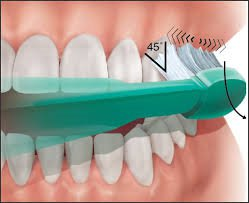
Yes, you should still include your gums in brushing even if they bleed, but you have to ensure that you are using a soft-bristled brush and you are not putting too much pressure on it as you brush.
Image from Quora
For more detailed instructions on how to properly brush your teeth, click here.
Does drinking water help bleeding gums?
Drinking water can indeed help with bleeding gums, though it is not a cure by itself. Here’s how staying hydrated and drinking water can benefit your gums:
1. Hydration:
Maintains Moisture Levels: Keeping your mouth well-hydrated helps to maintain the moisture levels in your gums, reducing the risk of irritation and inflammation that can lead to bleeding.
2. Washes Away Food Particles and Bacteria:
Reduces Plaque: Drinking water helps to wash away food particles and bacteria from your mouth, reducing the buildup of plaque, which is a major cause of gum disease and bleeding.
3. Saliva Production:
Promotes Saliva Flow: Adequate water intake helps to promote saliva production, which is essential for neutralizing acids produced by bacteria in your mouth and for washing away food particles.
4. Dilution of Toxins:
Reduces Toxins: Drinking water can help dilute toxins released by bacteria in the mouth, which can cause irritation and bleeding in the gums.
In conclusion
You can stop bleeding gums after quitting smoking if you improve your oral hygiene habits like brushing your teeth regularly, flossing and swishing mouthwash, visiting your dentist for scheduled dental cleanings, living a healthy lifestyle, and completely quitting your smoking habit.
Remember, the sacrifice that you do today by quitting smoking can still save you for endless health problems in the future, aside from the possible risk of making your prosthodontist rich because you would eventually need complete dentures!